Art
There is an ambitious curriculum set for Art, supporting teachers to implement it through high-quality lessons and checking that everything is helping children to know more, remember more and do more.
If you would like more information in addition to that published on this page, please contact your class teacher.
Purpose of Study
Art, craft and design embody some of the highest forms of human creativity. A high-quality art and design education should engage, inspire and challenge pupils, equipping them with the knowledge and skills to experiment, invent and create their own works of art, craft and design. As pupils progress, they should be able to think critically and develop a more rigorous understanding of art and design. They should also know how art and design both reflect and shape our history, and contribute to the culture, creativity and wealth of our nation.
Aims
The National Curriculum - Art key stages 1 to 2:
Produce creative work, exploring their ideas and recording their experiences
Become proficient in drawing, painting, sculpture and other art, craft and design techniques
Evaluate and analyse creative works using the language of art, craft and design
Know about great artists, craft makers and designers, and understand the historical and cultural development of their art forms.
Our Approach
Inspirational People
At our school, we believe in using the power of inspiration to help shape the thinking and curriculum design of our students. That's why we have taken inspiration from successful and influential people who have made a significant impact in their respective fields. By studying their stories, we aim to inspire our pupils to aim high and achieve their own goals. We have carefully curated a list of inspirational figures, including scientists, artists, entrepreneurs, and activists, to name a few. We have analysed what made them successful and incorporated their values, principles, and strategies into our curriculum design to provide our students with the tools they need to succeed. By doing so, we hope to empower our students to dream big and achieve greatness.
Intent
We are setting out to help our pupils be ...
-
Skillful - Children become proficient with a diverse range of skills and techniques.
-
Excited - Children love to produce creative art work and explore their own ideas.
-
Resilient - Children are resilient and enjoy art even when it is not perfect.
-
Cultured - Children learn about great artists from a variety of cultures throughout history and in the world today.
Implementation
We will do this by ensuring ...
-
A variety of experiences - Children gain a variety of real life experiences through visitors and trips.
-
Children have a broad and balanced curriculum - A broad and exciting curriculum that is engaging for children.
-
Giving children time - Allow children time to make and explore without expectations first.
-
Children have a broad and balanced curriculum - Content is taught progressively, looking at different artists in each year group.
Impact
We will have made a difference when ...
-
Children value the arts - Children see value in the arts and see artistic careers as viable options.
-
Children enjoy the arts - Children enjoy their art learning and are proud of what they can produce.
-
Children are brave - Children are free to make mistakes and try new ideas.
-
Children can show what they know - All children are taught a varied curriculum and show a clear understanding of threshold concepts.
Threshold Concepts
These are our big takeaways called ‘threshold concepts’ - an overview of what we want pupils to know. They are the same for every year group and help us to ensure we build learning on the same ideas, that way we help children to be able to remember more meaningful connections rather than remembering isolated facts.
-
Artists can use their skills to show art in different ways.
-
Artists use materials together or alone to create pieces of art.
-
Ideas can be practised and developed before creating a final piece.
-
Art can be analysed and evaluated to improve.
-
Some materials are malleable and can be manipulated to create products.
-
Different materials can create different textures.
-
Some colours can be made and changed my mixing.
-
Different types of pen and pencil can create different lines.
-
Prints are transferable and can be made with different materials.
-
Art can be made using natural materials and is not permanent.
-
Art can be inspired by drawing or painting what you can see in the landscape.
-
Art can be compared by the similarities and differences of different elements.
-
Art has been created by significant people and has significant time influences.
Progression on a Page ...
Here is an overview of what we expect children to be taught, know and do by the end of each year group.
Year R
-
In Reception Year, children are encouraged to engage in a variety of art activities to develop their creativity and explore the world around them. They are given access to a range of materials, tools and techniques that are safe and appropriate for their age group.
-
The aim is for children to experiment with these materials, tools and techniques in order to learn about colour, design, texture, form and function. This helps to develop their fine motor skills, hand-eye coordination and their understanding of spatial relationships.
-
As they work, children are encouraged to talk about their creations, explaining the process they have used. This helps to develop their communication and language skills, as well as their ability to think critically about their work.
-
When it comes to sharing their creations, children are given the opportunity to display them in the classroom or to take them home to show their families. This helps to build their confidence and pride in their work, as well as providing a sense of accomplishment.
-
Year 1
-
Children will be begin to design and make art to express ideas and communicate their ideas before making.
-
They will learn to make simple prints, manipulate malleable materials and use textural materials.
-
They will use pencils to create different lines and identify and use primary colours in their art. They will begin to draw from observation.
-
Finally, children will explore significant artists and begin to evaluate art with likes and dislikes.
-
Year 2
-
Children will now begin to select the best materials to develop their ideas and create initial sketches.
-
They will learn to press objects into malleable materials, create a range of textures, and develop block prints.
-
Children will use pencils to create different patterns and lines and be able to identify and mix secondary colours.
-
Children will continue to draw from observation with more attention to detail.
-
Finally they will analyse significant artwork using artistic vocabulary.
-
Year 3
-
Children will use and combine a range of visual elements in artwork.
-
They will use sketches to communicate an idea or experiment with a technique.
-
Children will learn to create 3D form, weave different materials and make two colour prints.
-
Children will add tone to a drawing with pencil. They will identify, mix and use contrasting colours.
-
Finally, children will suggest ways to improve artwork and compare artists, architects and designers, identifying significant characteristics.
-
Year 4
-
Children will develop techniques through experimentation to create art.
-
Children will create a detailed 3D form, use pen, ink and charcoal to create a range of effects, and combine printmaking techniques to create a print on a theme.
-
They will develop ideas with a series of sketches for mastery of a technique.
-
Children will give constructive feedback about ways to improve a piece of artwork.
-
They will identify, mix and use warm and cool colours.
-
Finally they will compare and contrast artwork from different times and cultures, explaining the significance of art, architecture or design from history.
-
Year 5
-
Children will produce creative work on a theme, developing ideas through a range of sketches, reviewing and revisiting sketches to improve ideas.
-
They will learn to create 3D form using a range of tools, techniques and materials.
-
They will mix and use tints and shades of colours, use pen and ink to add perspective, light and shade to a composition, and add text to a print.
-
Finally children will compare and comment on the ideas, methods and approaches in their own and others’ work and describe how different artists and cultures have used a range of visual elements in their work.
-
Year 6
-
Children will create art that has personal, historic or conceptual meaning by gathering, recording and developing ideas from a range of sources to create a mood board to inform their thinking.
-
Children will learn to create 3D form in the style of a significant artist, use colour palettes and an artistic movement in artwork.
-
They will use line and tone to draw perspective.
-
Finally, children will adapt and refine artwork in light of constructive feedback and compare and contrast artists’ use of perspective, abstraction, figurative and conceptual art.
Units of Learning ...
Year 1 - Autumn
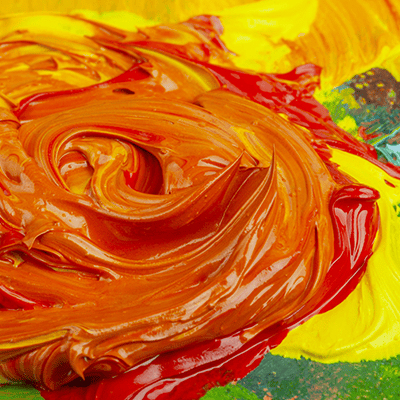
Colour Creators
During this project, children will learn about basic colour theory by studying the colour wheel and colour mixing. They explore primary and secondary colours and how artists use colour in their artwork.
Year 1 - Spring
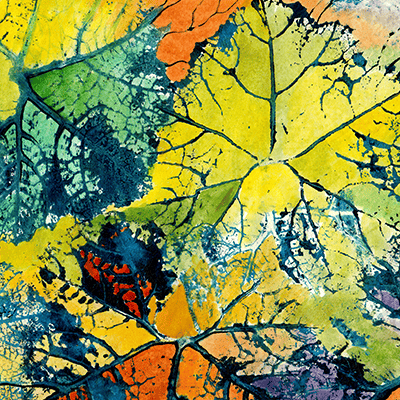
Press, Print and Pattern
During this project, children learn about collagraph printing, including how to develop a motif and use it to create single and repeated prints. They explore a range of textures and materials to build their printing plates and experiment with different effects before producing their own finished collagraph artwork.
Year 2 - Spring
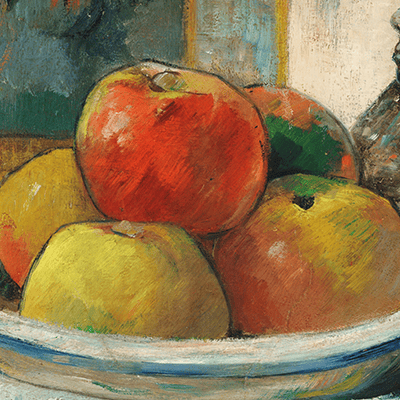
Creative Collections
During this project, children learn about the work of significant still-life artists and the techniques used in still-life art. They explore a wide variety of still-life compositions, learning how artists use colour, shape, and arrangement to create impact. Children then apply these skills by creating their own still life setups and artwork.
Year 2 - Spring
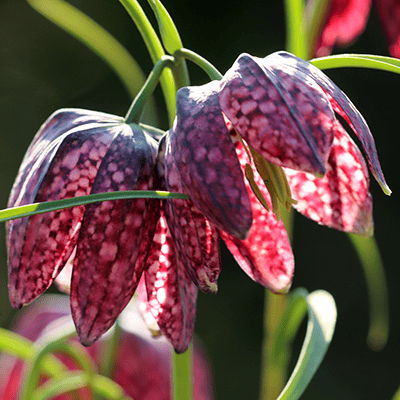
Floral Forms
During this project, children learn about the visual elements of flowers, including shape, texture, colour, pattern and form. They explore a range of artistic techniques, such as drawing, printmaking and creating 3 D forms, using materials like paper and clay. Through this work, children develop their observational skills and learn how artists use different methods to represent natural forms.
IMAGE TO COME
Year 3 - Summer
Plant Patterns
More details to follow
Year 4 - Autumn
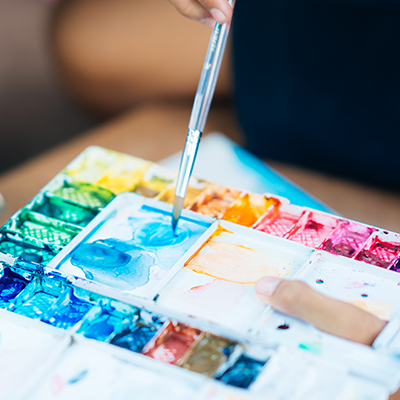
The Power of Colour
During this project, children learn how warm and cool colours are created, mixed and used by artists to create contrast, depth and atmosphere. They explore how colour choices can evoke different feelings, study examples from Aboriginal art and Vincent van Gogh, and apply their understanding through practical artwork. Children refine, discuss and evaluate their work, making thoughtful decisions about colour to enhance meaning and impact.
Year 5 - Autumn
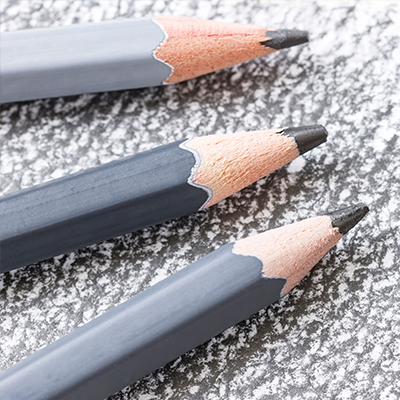
The Art of Light and Line
During this project, children learn how artists use line, light and shadow to create form, mood and dramatic effect. They explore continuous line drawing, shading techniques and the use of black and white in drawing, photography and digital media. Through practical experimentation with pencil, ink and digital tools, children apply their learning to create detailed artwork and reflect on how effectively they have used light and shadow.
IMAGE TO COME
Year 5 - Spring
Express Yourself
More details to follow
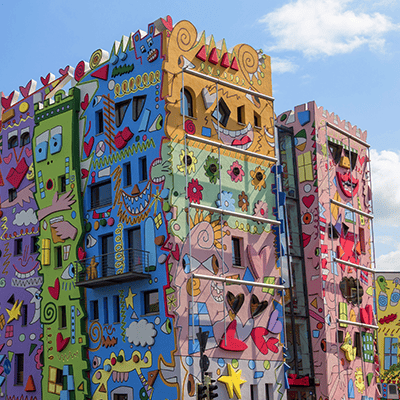
Year 1 - Summer
Bright and Busy Streets
During this project, children learn about artwork that depicts streets and buildings, with a focus on the vibrant, playful style of American pop artist James Rizzi. Children explore his use of colour, pattern and exaggerated forms before creating their own 3-D mural inspired by his work.
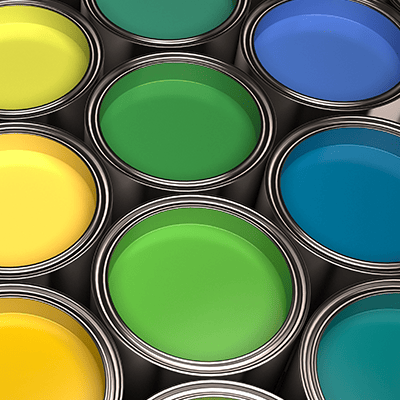
Year 2- Autumn
Colour Quest
In this project, children explore colour theory by studying the colour wheel, experimenting with colour mixing and learning about primary and secondary colours, before applying their understanding creatively in artwork.
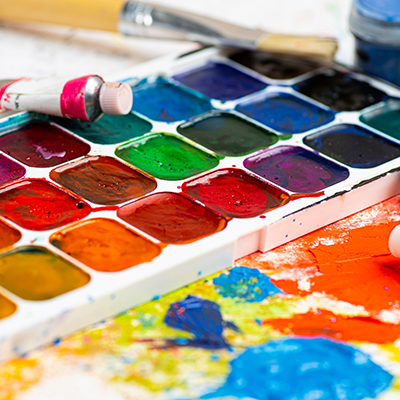
Year 3 - Autumn
Colour Masters
During this project, children learn about the foundations of colour theory, exploring how artists use colour to create impact, mood and meaning. They will study how contrasting colours work together and experiment with capturing colours seen in existing artworks. Through practical activities, children will apply their understanding of colour theory to create textile art and develop their own imaginative compositions. By reflecting on their finished pieces, they will evaluate how successfully they have used contrasting colours and colour theory to enhance their artistic intentions.
IMAGE TO COME
Year 3 - Spring
Masters of Mosaic
More details to follow
IMAGE TO COME
Year 4 - Spring
Animals in Art
More details to follow
IMAGE TO COME
Year 4 - Summer
Designs of the Islamic World
More details to follow
IMAGE TO COME
Year 5 - Summer
Taotie Treasures
More details to follow
IMAGE TO COME
Year 5 - Summer
Plant Patterns
More details to follow
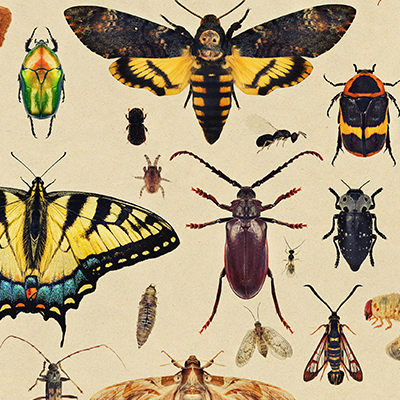
Year 6 - Autumn
Winged Wonders
During this project children learn why insects are a rich source of inspiration for artists. They develop observational drawing skills and explore how materials, colour and techniques can be combined to create insect inspired artwork. Children experiment with mixed media and Pop Art approaches before bringing their learning together to create, refine and explain a final piece of insect art.
IMAGE TO COME
Year 6 - Spring
From Waste to Wonder
More details to follow
IMAGE TO COME
Year 6 - Summer
Inuit Art
More details to follow

