DT
There is an ambitious curriculum set for Design Technology, supporting teachers to implement it through high-quality lessons and checking that everything is helping children to know more, remember more and do more.
If you would like more information in addition to that published on this page, please contact your class teacher.
Purpose of Study
Design and technology is an inspiring, rigorous and practical subject. Using creativity and imagination, pupils design and make products that solve real and relevant problems within a variety of contexts, considering their own and others’ needs, wants and values. They acquire a broad range of subject knowledge and draw on disciplines such as mathematics, science, engineering, computing and art. Pupils learn how to take risks, becoming resourceful, innovative, enterprising and capable citizens. Through the evaluation of past and present design and technology, they develop a critical understanding of its impact on daily life and the wider world. High-quality design and technology education makes an essential contribution to the creativity, culture, wealth and well-being of the nation.
Aims
The National Curriculum - DT key stages 1 to 2:
Develop the creative, technical and practical expertise needed to perform everyday tasks confidently and to participate successfully in an increasingly technological world
Build and apply a repertoire of knowledge, understanding and skills in order to design and make high-quality prototypes and products for a wide range of users
Critique, evaluate and test their ideas and products and the work of others
Understand and apply the principles of nutrition and learn how to cook.
Our Approach
Inspirational People
At our school, we believe in using the power of inspiration to help shape the thinking and curriculum design of our students. That's why we have taken inspiration from successful and influential people who have made a significant impact in their respective fields. By studying their stories, we aim to inspire our pupils to aim high and achieve their own goals. We have carefully curated a list of inspirational figures, including scientists, artists, entrepreneurs, and activists, to name a few. We have analysed what made them successful and incorporated their values, principles, and strategies into our curriculum design to provide our students with the tools they need to succeed. By doing so, we hope to empower our students to dream big and achieve greatness.
Intent
We are setting out to help our pupils be ...
-
Safe - Learn to use tools safely for everyday life, including computers to design products. Children learn how to be healthy.
-
Creative - Children love to design and make their own creations.
-
Resilient - Children are resilient and enjoy creating even when things do not go right the first time.
-
Cultured - Children build a repertoire of knowledge, understanding and skills in order to design and make products for a wide range of users.
Implementation
We will do this by ensuring ...
-
Children have a broad and balanced curriculum - Tool skills and nutrition are taught progressively.
-
Children have a broad and balanced curriculum - The process of designing, making and evaluating is embedded in the curriculum.
-
Giving children time - Children have time to explore materials and try out different ideas.
-
Children have a broad and balanced curriculum - There are planned, progressive and purposeful opportunities to design and make in the curriculum.
Implementation
We will do this by ensuring ...
-
Children have a broad and balanced curriculum - Tool skills and nutrition are taught progressively.
-
Children have a broad and balanced curriculum - The process of designing, making and evaluating is embedded in the curriculum.
-
Giving children time - Children have time to explore materials and try out different ideas.
-
Children have a broad and balanced curriculum - There are planned, progressive and purposeful opportunities to design and make in the curriculum.
Threshold Concepts
These are our big takeaways called ‘threshold concepts’ - an overview of what we want pupils to know. They are the same for every year group and help us to ensure we build learning on the same ideas, that way we help children to be able to remember more meaningful connections rather than remembering isolated facts.
-
Everyday products - Everyday products are objects that are used routinely at home and school.
-
Staying Safe - It is important to stay safe when working with tools. Products have to be safe for others to use.
-
Electricity - Electricity is a form of energy, it can be used in a model and controlled using a switch.
-
Mechanisms - Mechanisms help to make things move.
-
Generation of ideas - Before making, it is important to know what you want to achieve.
-
Use of ICT - Computer-aided design (CAD) is when computers are used to help design products.
-
Structures - Different materials can be used to make structures stronger.
-
Investigation - Great designers try to find the best tool for the job.
-
Evaluation - To make improvements, it is important to find out what has worked well and what could be better.
-
Materials for Purposes - Different materials are suitable for different purposes, depending on their properties.
-
Cooking - We use skills such as measuring and follow instructions called recipes to make sweet and savoury dishes.
-
Nutrition - There are different types of food that our body needs to stay healthy.
-
Origins of Food - Food can be grown or can come from animals. We often eat food that comes from around the world.
-
Compare & Contrast - Designers often look at what is the same and what is different between products.
-
Significant People - Because of the work of many important designers, the way we live our lives has changed.
Progression on a Page ...
Here is an overview of what we expect children to be taught, know and do by the end of each year group.
In Year R ... Children will be taught to ...
-
Name and explore a range of everyday products and begin to talk about how they are used.
-
Follow rules and instructions to keep safe.
-
Identify products that use electricity to make them work.
-
Explore, build and play with a range of resources and construction kits with wheels and axles.
-
Create collaboratively, share ideas and use a variety of resources to make products inspired by existing products, stories or their own ideas, interests or experiences.
-
Use digital devices to take digital images or recordings of their creations to share with others.
-
Construct simple structures and models using a range of materials.
-
Choose and explore appropriate tools for simple practical tasks.
-
Adapt and refine their work as they are constructing and making.
-
Recognise that it is possible to change and alter their designs and ideas as they are making them.
-
Select appropriate materials when constructing and making.
-
Follow instructions, including simple recipes, that include measures and ingredients.
-
Suggest healthy ingredients that can be used to make simple snacks.
-
Begin to identify the origins of some foods.
Year 1
-
Children should know that everyday products are objects that are used routinely at home and school.
-
They will understand that rules are made to keep people safe from danger.
-
Electricity is a form of energy.
-
An axle is a rod or spindle that passes through the centre of a wheel to connect two wheels.
-
Design criteria are the explicit goals that a project must achieve.
-
They will understand that a strength is a good quality of a piece of work. A weakness is an area that could be improved.
-
Year 2
-
Children should know that products can be improved in different ways.
-
They will know that hygiene rules include washing hands before handling food, cleaning surfaces, tying long hair back, storing food appropriately and wiping up spills.
-
They will learn that a series circuit is made up of an energy source.
-
A mechanism is a device that takes one type of motion or force and produces a different one.
-
Ideas can be communicated in a variety of ways, and finished products can be compared with design criteria to see how closely they match. Improvements can then be planned.
-
Year 3
-
Children will learn that particular products have been designed for specific tasks.
-
They will know that safety rules must also be followed when using electricity.
-
An electric circuit can be used in a model.
-
Levers consist of a rigid bar that rotates around a fixed point, called a fulcrum.
-
They will understand that design criteria are the exact goals a project must achieve to be successful.
-
They will learn that asking questions can help others to evaluate their products.
-
Year 4
-
Children will learn that design features are the aspects of a product's design that the designer would like to emphasise.
-
They will learn to take appropriate safety precautions, such as wearing goggles and gloves, working in a well-ventilated room, wiping up spills and tying back long hair.
-
They will know that components can be added to circuits to achieve a particular goal.
-
Mechanisms can be used to add functionality to a model.
-
Annotated sketches and exploded diagrams show specific parts of a design.
-
Evaluation can be done by considering whether the product does what it was designed to do, whether it has an attractive appearance, what changes were made during the making process and why the changes were made.
-
Year 5
-
Children will learn that culture affects the design of some products.
-
They will know that safety features are often incorporated into products that might cause harm.
-
Electrical circuits can be controlled by a simple on/off switch, Pneumatic systems use energy that is stored in compressed air to do work.
-
A pattern piece is a drawing or shape used to guide how to make something.
-
They will understand that testing a product against the design criteria will highlight anything that needs improvement or redesign.
-
Year 6
-
Children will learn that people's lives have been improved in countless ways due to new inventions and designs.
-
They will understand that the safety of the user has to be taken into account when designing a new product.
-
Computer programs can control electrical circuits. Mechanical systems can include sliders, levers, linkages, gears, pulleys and cams. Design criteria should cover the intended use of the product, age range targeted and final appearance.
-
Design is an iterative process, meaning alterations and improvements are made continually throughout the manufacturing process.
-
They will know that evaluating a product while it's being manufactured, and explaining these evaluations to others, can help to refine it.
-
Units of Learning ...
Year 1 - Autumn
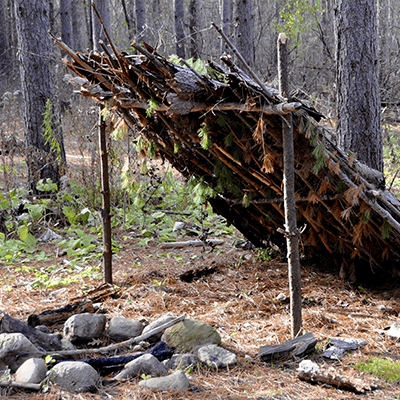
Den Designers
During this project, children will learn about the purpose of shelters and the materials used to make them. They name and describe different types of shelters before designing and making their own shelter prototypes. Working as a group, children then design and build a play den and evaluate the effectiveness of their finished product.

Year 1 - Spring
On the Move
During this project, children learn about wheels, axles and chassis, and how these components work together to make a vehicle move. They explore and test simple mechanisms before designing and building their own model vehicle to apply their understanding of how movement is created.
Year 2 - Summer
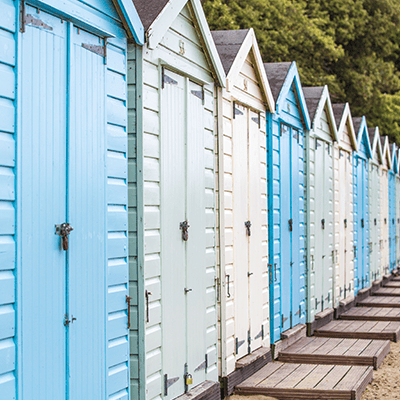
Seaside Structures
During this project, children learn to make and strengthen structures, exploring different techniques for securely joining materials. Through hands on investigation, they learn how design choices affect stability and function.
Year 2 - Summer
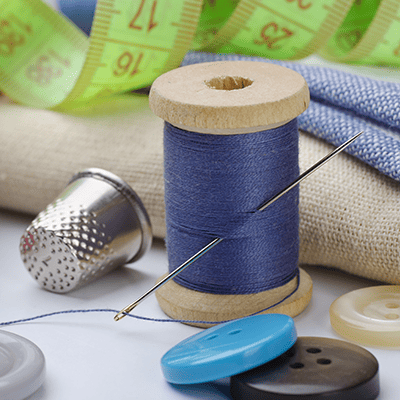
Stitch, Sew, Create!
During this project, children learn about fabric products in the home and are introduced to basic textile skills. They learn to read simple sewing patterns and practise key techniques, including the running stitch and adding embellishments. Children then apply these skills to design and make their own sewn bag tag.
IMAGE TO COME
Year 3 - Summer
Build to Grow
More details to follow
Year 4 - Autumn
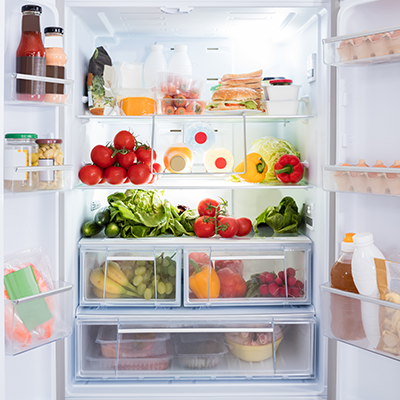
Preserve It!
During this project, children learn how food is kept fresh and safe through effective packaging. They explore healthy snacks, investigate food packaging and nets, and learn how a flat net forms a 3D package. Using this knowledge, children design, make, and evaluate packaging for a healthy snack, refining their ideas through testing and reflection.
Year 5 - Autumn
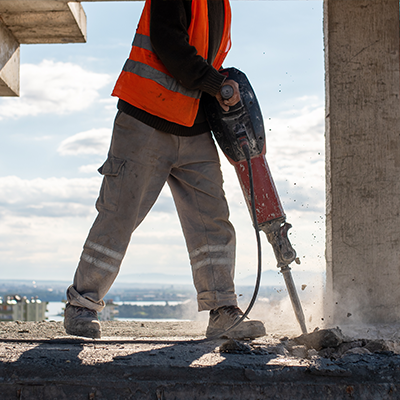
Powering Movement
What makes pneumatic systems useful in creating moving mechanisms? During this project children learn how pneumatic systems work and how they can be used to create movement, lift loads and solve practical problems. They explore how pneumatics and levers work together, investigate simple machines and design, build and refine a pneumatic prototype. Throughout the project, children test ideas, gather user feedback and improve their designs to create a product that supports people at home.
Year 5 - Spring
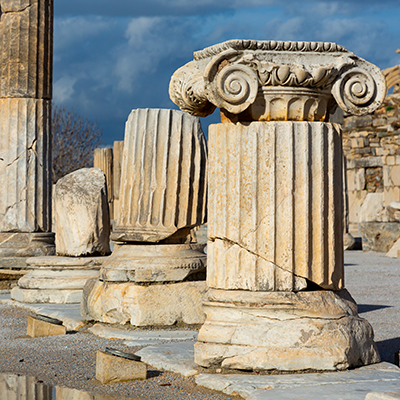
Building Through Time
During this project, children learn about architecture and how buildings have developed over time. They explore the influence of classical Greek architecture, investigate how support, stiffness and stability are created in structures, and discover how architects use computer-aided design (CAD) software. Using this knowledge, children design, build and evaluate an impressive, functional building, refining their ideas through testing, feedback and reflection.
Year 6 - Spring
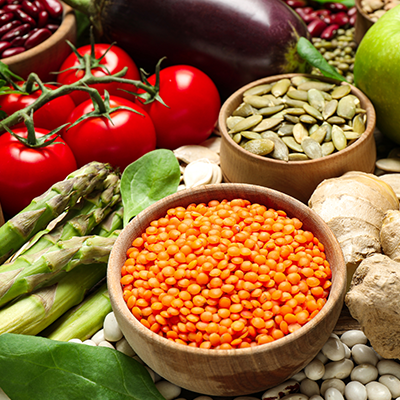
Whole Foods, Healthy Choices
During this project children learn about healthy eating, food choices and the role of nutrition in maintaining good health. They explore the differences between whole and processed foods, prepare and evaluate healthy recipes, and investigate balanced diets. Children apply their knowledge to design a daily menu, prepare and cook a healthy meal, then evaluate and refine their recipes using feedback and reflection.
IMAGE TO COME
Year 6 - Summer
Building Bridges
More details to follow
Year 1 - Summer
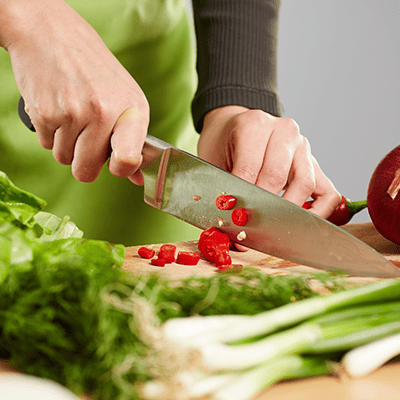
Chop, Peel and Grate
During this project, children learn about different sources of food and are introduced to key preparatory skills, including peeling, tearing, slicing, chopping, mashing and grating. They use this knowledge and these techniques to design and make a supermarket sandwich according to specific design criteria.

Year 2 - Autumn
Marvellous Mechanisms
During this project, children will learn about three types of mechanism: sliders, levers and linkages. They make models of each mechanism before designing and making a greetings card with a moving part.
Year 3 - Autumn
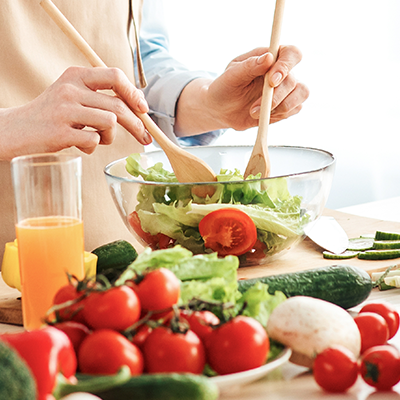
The Healthy Kitchen
During this project, children learn about what makes a healthy, balanced diet and why this is important. They explore different ways to prepare and cook food and learn how to follow recipes accurately. Using their understanding of healthy ingredients, children design and make a nutritious taco, selecting fillings that contribute to a balanced meal, before tasting and evaluating their outcome.
Year 3 - Spring
Move It, Make It!
During this project, children learn how mechanisms create movement and investigate how cam mechanisms convert rotary motion into different types of movement. They will explore how the shape of a cam affects the movement produced and use their knowledge to design and make an automaton toy. Through testing, refining and evaluating their work, children will develop their understanding of mechanical systems and assess how successfully their finished toy meets the design criteria.
Year 4 - Spring
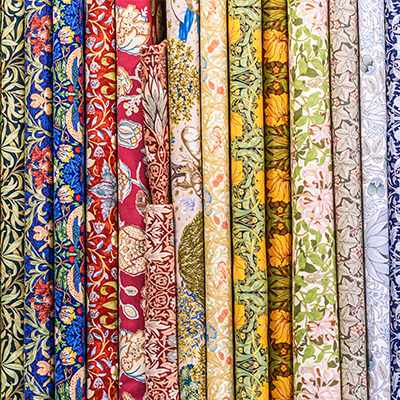
Patterns and Print
During this project, children learn about the work of William Morris and explore how artists and designers use pattern inspired by the natural world. They develop observation and drawing skills to create their own motifs, then use printing techniques to make repeat patterns. As they refine and evaluate their designs, children learn about symmetry, pattern and the creative design process.
IMAGE TO COME
Year 4 - Summer
Mighty Machines
More details to follow
IMAGE TO COME
Year 5 - Summer
Seasonal Plates
More details to follow
Year 6 - Autumn
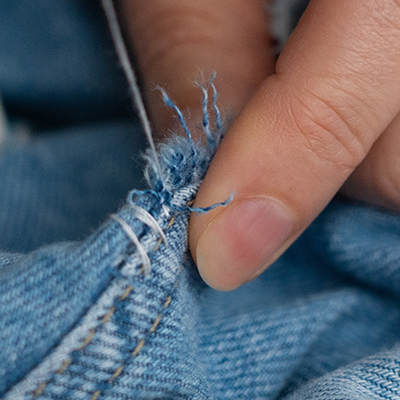
Repair and Reuse
During this project children learn about the importance of reusing and repurposing clothing to reduce waste and protect the environment. They investigate how garments can be deconstructed, repaired and transformed, learning a range of techniques to join, repair and embellish fabric. Children apply these skills to plan, make, refine and evaluate a wearable item, giving an old piece of clothing a new purpose.

